About The Yampa

Intro to the Basin
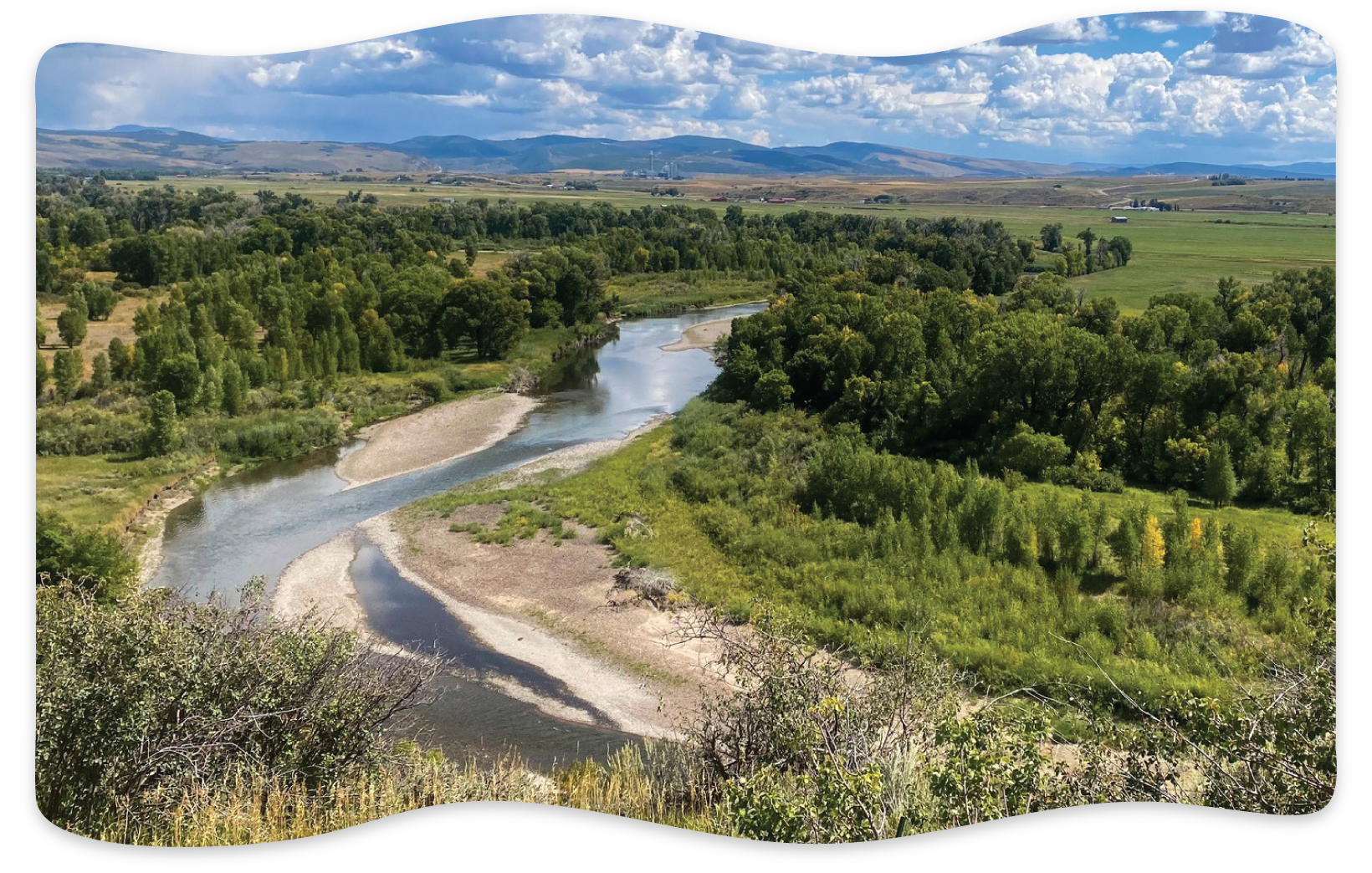
The Yampa River begins at around 11,000 feet as a small stream in the Flat Tops Wilderness. Spring snowmelt from the Gore and Park ranges rushes downstream, and for the first 25 miles it is called the Bear River. It isn’t until the Bear River meets Phillips Creek at around 7,800 feet near the town of Yampa that it officially becomes the Yampa River.
The Yampa River serves as a lifeblood for Northwest Colorado in many ways. Due to its limited reservoir storage, the Yampa retains a hydrograph characteristic of a snow-melt driven system, seeing very high peaks in the spring and low base flows in late summer, fall, and winter. This dynamic flow regime still floods its banks on big snow years, connecting the river to its floodplain and supporting rare riparian forests of cottonwood, red-osier dogwood, and box elder. Endangered fish species including the Colorado pikeminnow, humpback chub, bonytail chub, and razorback sucker evolved with rivers like the Yampa that flow fast, furious and cold each spring, carrying enormous loads of sediment that settle out as the river slows and warms over the summer. In a system dominated by reservoir-fed, regulated rivers, these species and many others depend on the Yampa River for their survival.
Background
Tributaries, Flows, & Watershed Size
10,500
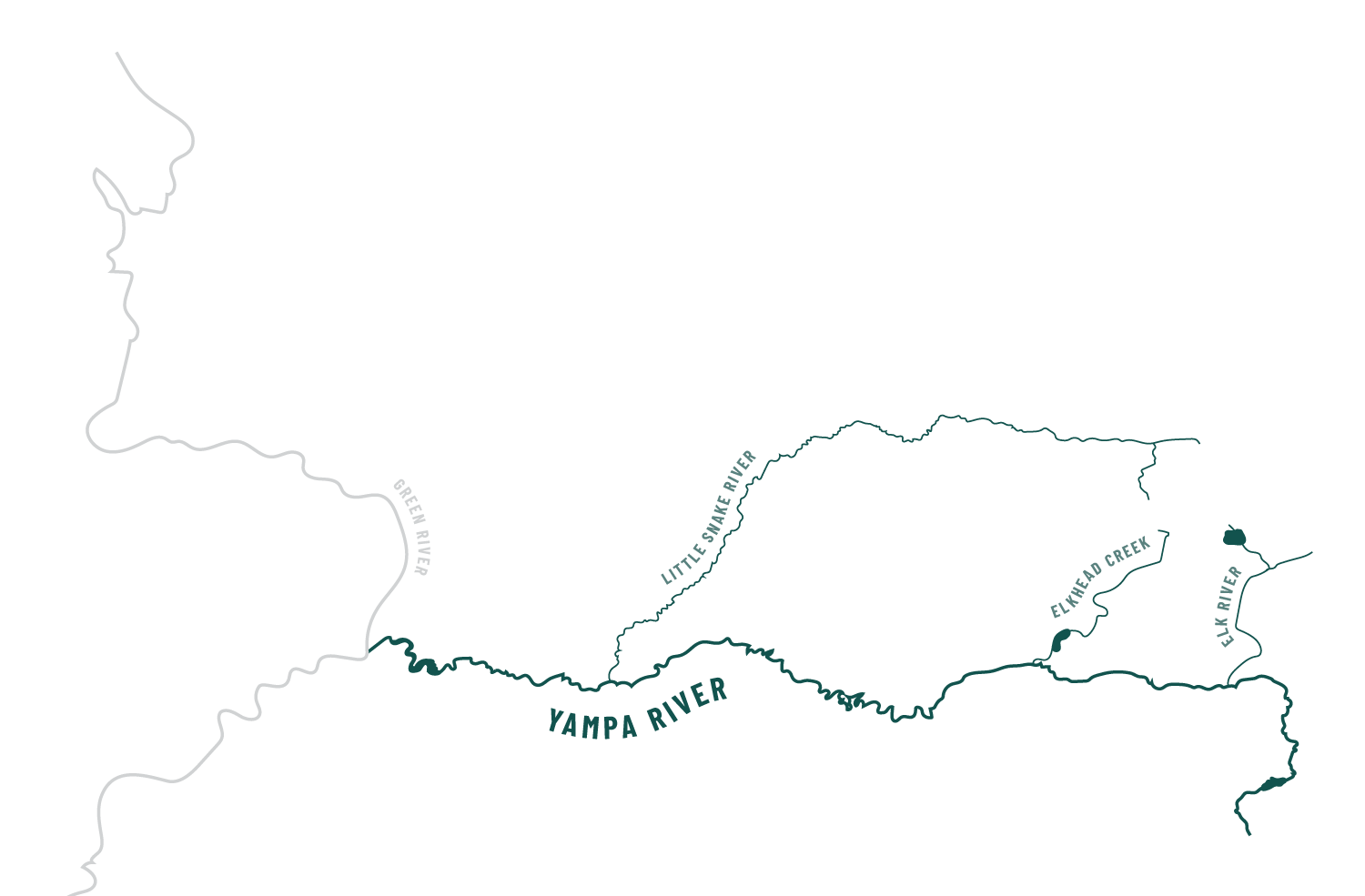
The whole basin including the White, Green, and Yampa Rivers is a total of 10,500 square miles.
250
The Yampa River is approximately 250 miles long.
46
The lower 46 miles of the Yampa River flow through Dinosaur National Monument.
15
The Yampa River accounts for 15% of the total steamflow that leaves Colorado.
3,000
About 3,000 acre-feet of groundwater is withdrawn annually from the basin.

Check the Current River Stats by Section
Water Usage
Reservoirs
What We Do
Education

Stewardship

Partnerships